Sustainability Reporting

Emissions Reporting

What is emissions reporting?

Measure, report and manage your greenhouse gas emissions

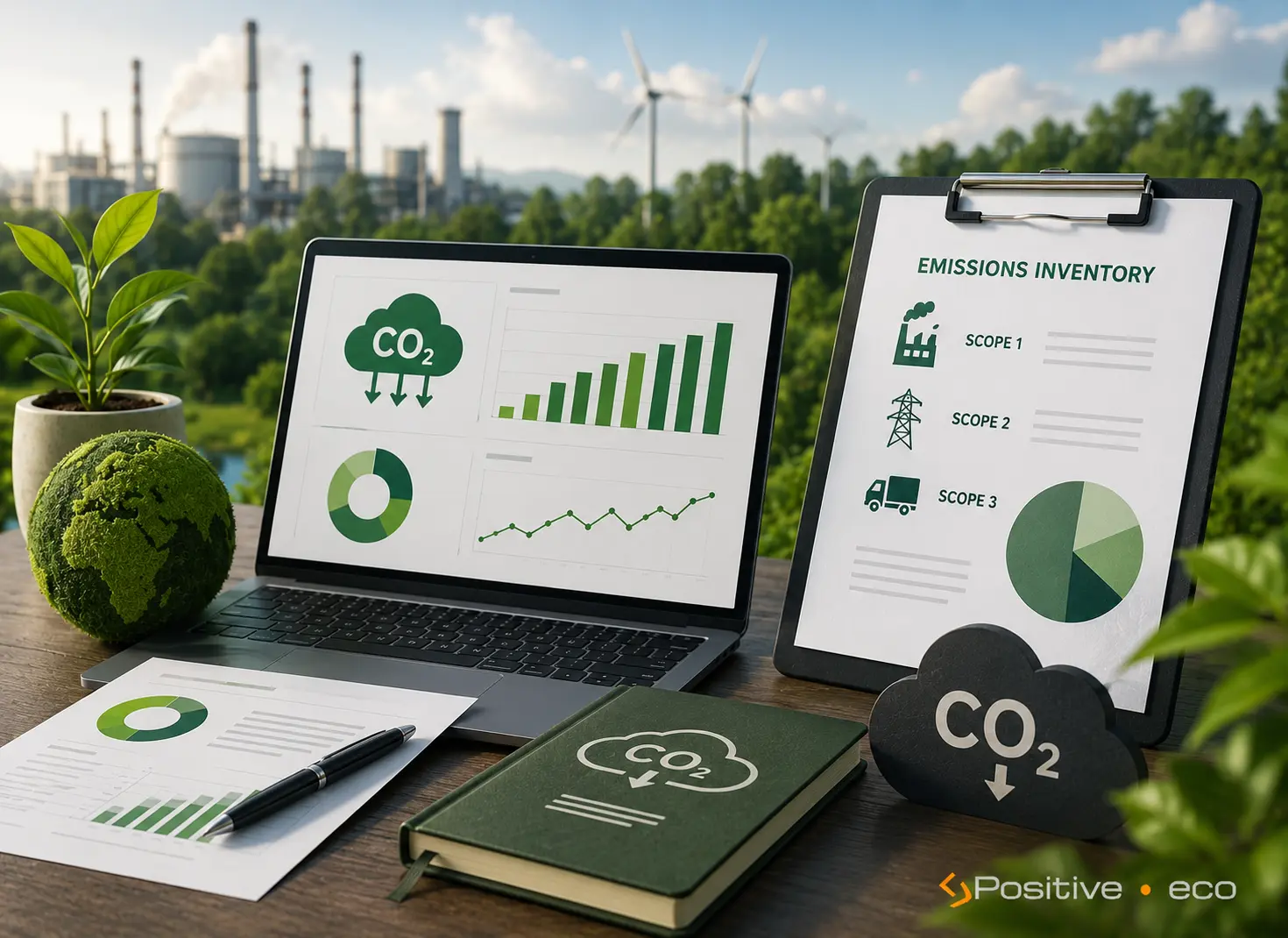
Greenhouse gas (GHG) emissions reporting quantifies the Scope 1, 2 and 3 emissions produced by your organisation's operations — providing the foundation for credible climate disclosure, regulatory compliance and emissions reduction planning. In Australia, reporting obligations are increasingly driven by the National Greenhouse and Energy Reporting (NGER) scheme, ASIC climate-related financial disclosure requirements and voluntary frameworks such as GRI and CDP.

We help organisations develop robust emissions inventories, navigate reporting frameworks and produce disclosures that are accurate, defensible and aligned with their obligations — whether mandatory or voluntary.

Greenhouse gas emissions reporting and climate disclosure
GHG Reporting Specialists
What's included

A complete emissions reporting service

From data collection and inventory development through to finalised disclosure reports — we manage the process end to end so your reporting is accurate, on time and fit for purpose.

01

GHG emissions inventory

We develop a comprehensive greenhouse gas inventory covering Scope 1 (direct emissions), Scope 2 (purchased electricity and energy) and Scope 3 (value chain emissions) — using the GHG Protocol Corporate Standard methodology and current Australian Government emission factors. The inventory establishes your baseline and supports year-on-year tracking.

02

NGER reporting

For organisations that meet the NGER scheme's reporting thresholds, we prepare and lodge the annual NGER report with the Clean Energy Regulator — covering energy production, energy consumption and greenhouse gas emissions across all applicable facilities. We apply the NGER Measurement Determination throughout and manage the submission process within the regulatory deadline.

03

Voluntary framework reporting

We prepare emissions disclosures aligned to voluntary reporting frameworks including GRI Standards, CDP (Carbon Disclosure Project), TCFD recommendations and the new ISSB/AASB S2 climate-related financial disclosure standard. We align your data and narrative to the framework requirements, ensuring consistency and comparability across reporting periods.

04

Emissions reduction pathways

We analyse your emissions inventory to identify the highest-impact reduction opportunities — across energy efficiency, renewable energy procurement, fleet electrification, refrigerant management and supply chain engagement. We model reduction scenarios and develop a practical roadmap aligned to your targets, whether net zero, science-based or operational.

05

Verification support

Where third-party verification of your emissions inventory or disclosure is required — by auditors, regulators or reporting frameworks — we prepare your data, documentation and supporting evidence to facilitate the verification process and resolve any queries from verifiers efficiently.

How it works

From data to disclosure

A structured approach that turns raw energy and activity data into accurate, audit-ready emissions reports.

01

Scoping & boundary setting

We define your organisational and operational boundaries, identify applicable reporting frameworks and obligations, and establish which Scope 1, 2 and 3 categories are material to your organisation.

02

Data collection

We provide a structured data request covering energy consumption, fuel use, refrigerant top-ups, business travel, fleet mileage and other relevant activity data — and work with your team to collect it efficiently.

03

Inventory calculation & review

We calculate your emissions using the appropriate methodology and emission factors, quality-check all figures and prepare the inventory for your review before any disclosure is finalised.

04

Report & disclosure

We produce the final emissions report or disclosure document — ready for NGER lodgement, board approval, annual report inclusion or external publication.

FAQs

Common questions about emissions reporting

Does my organisation need to report under NGER?

NGER reporting is mandatory if your organisation meets the scheme's threshold triggers — currently 50,000 tonnes of CO₂-e or 200 TJ of energy production or consumption per year at the corporate group level, or 25,000 tonnes / 100 TJ at the facility level. If you're close to these thresholds, monitoring is advisable. We can assess your position and advise on obligations.

What is the difference between Scope 1, 2 and 3 emissions?

Scope 1 covers direct emissions from sources your organisation owns or controls — such as fuel combustion in boilers or vehicles. Scope 2 covers indirect emissions from purchased electricity and heat. Scope 3 covers all other indirect emissions in your value chain — including business travel, purchased goods and services, waste, and the use of sold products. Most organisations begin with Scope 1 and 2 and expand to Scope 3 over time.

Are climate-related financial disclosures now mandatory in Australia?

Yes. The Australian Government's mandatory climate-related financial disclosure regime under Treasury Laws Amendment (Financial Market Infrastructure and Other Measures) Act 2024 introduces phased disclosure obligations for large entities from 2025–26. Requirements are staged by entity size and include Scope 1, 2 and 3 emissions disclosure, scenario analysis and governance reporting aligned to ISSB standards. We can help you assess your obligations under the new regime.

What data do you need to prepare an emissions inventory?

Typically: 12 months of electricity and gas bills for all premises, fuel purchase records for company vehicles and equipment, refrigerant top-up records, business travel data (flights, accommodation, hire cars) and waste disposal data. For Scope 3, we'll work with you to identify the most material categories and prioritise data collection accordingly.

Can you help us set a net zero or science-based target?

Yes. Once your baseline emissions inventory is established, we can model reduction scenarios, identify the most cost-effective pathways and help you set a target aligned to the Science Based Targets initiative (SBTi) framework or your own net zero commitment. We can also advise on carbon offset use where residual emissions remain after reduction efforts.
Related services

You might also need

BEEC Compliance

Building Energy Efficiency Certificates for commercial properties being sold or leased.

Read more

Building Energy Modelling

Whole-of-building energy simulation to identify efficiency opportunities and support net zero design.

Read more

Emissions Reporting

Scope 1, 2 and 3 greenhouse gas emissions reporting aligned to NGER, GRI and other frameworks.

Read more

Ready to get on top of your emissions reporting?

Tell us about your organisation's size, sector and any existing reporting obligations — we'll confirm the right approach and what data we'll need to get started.

Get a Quote